


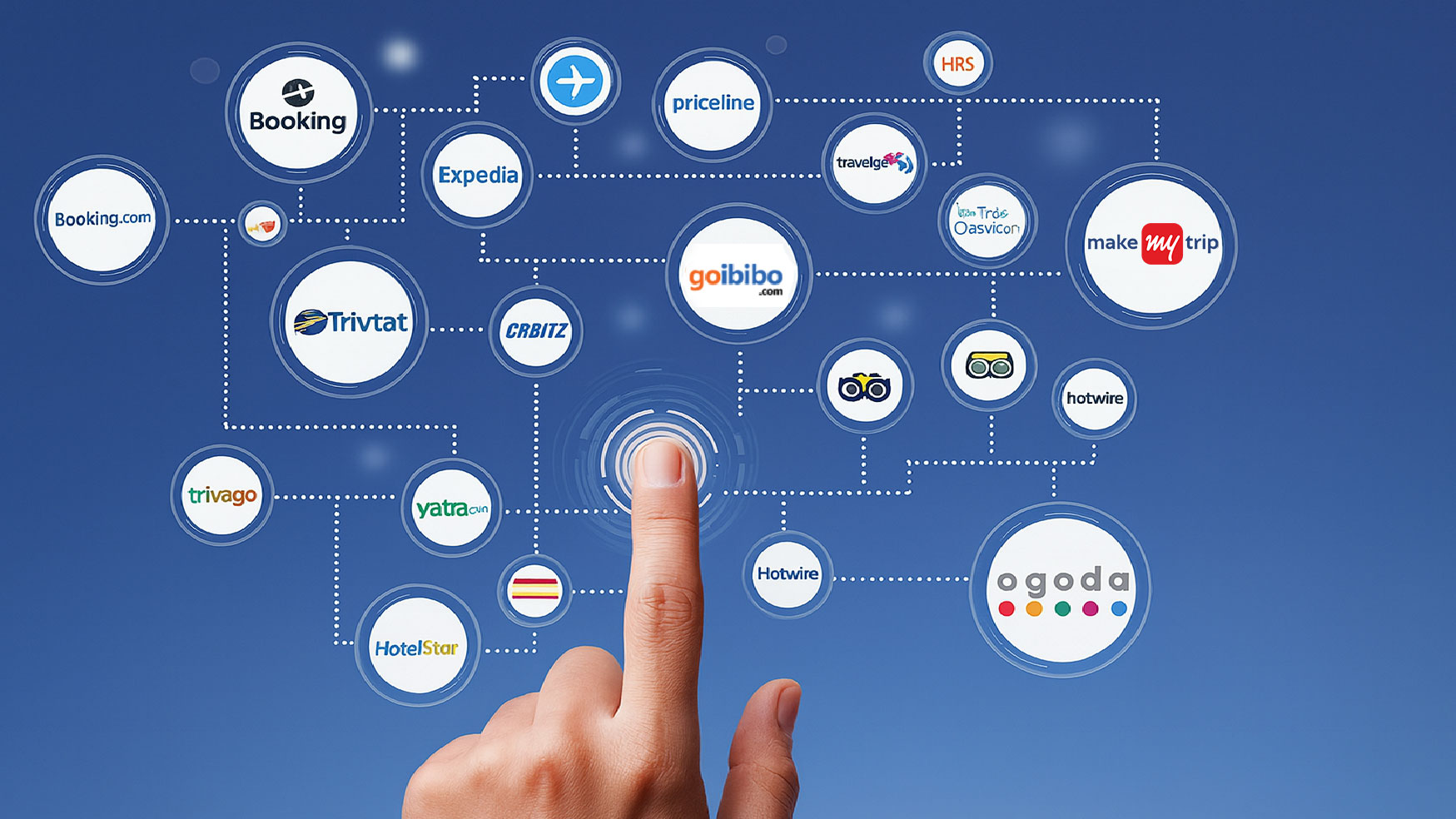
In 2025, hotels face more distribution complexity than ever. Guests may book from Booking.com, Airbnb, Agoda, Expedia, MakeMyTrip, Google Hotels, or directly from your website. With so many channels, relying on manual updates or spreadsheet-based inventory is no longer practical—or safe.
This is where the channel manager has become the backbone of modern hotel operations.
This guide explains what it is, how it works, and how to select the right one for your property.
A channel manager is a cloud-based system that keeps your hotel’s availability and rates updated across all online travel agencies (OTAs) simultaneously.
Imagine this:
A guest books a room on Airbnb → within seconds, the room is removed from Booking.com, Agoda, Expedia, and every other platform you use.
No manual work. No risk of double bookings. No frustrated guests.
Online distribution has exploded. For most hotels:
Manually updating rates and availability across multiple platforms is time-consuming and prone to error. A channel manager automates this entirely and gives hotels real-time accuracy across all channels.
Hotels using proper channel managers typically report:
Whenever a room gets booked, canceled, or modified, the system updates availability across all channels instantly.
Change your prices once—every OTA receives the update immediately.
Great for:
Reservations from all channels are collected and displayed in one place.
This includes:
Each OTA communicates with the channel manager through secure, two-way API connectivity, ensuring accuracy at all times.
Suitable for:
If you use more than one OTA, a channel manager saves significant time and prevents errors.
Choosing the right channel manager depends on:
Hotels often search for options that provide:
Instead of looking at endless feature lists, focus on operational fit:
Which system will reduce your workload, prevent errors, and help you earn more?
Many hotels start with only a PMS and no channel manager. While this may seem manageable, it quickly becomes overwhelming once you’re listed on multiple OTAs.
Here’s what day-to-day operations look like without a channel manager:
Even small properties eventually realize that the operational cost of manual distribution outweighs the cost of a channel manager.
| Tool | Purpose |
|---|---|
| Channel Manager | Syncs availability & rates across OTAs |
| PMS (Property Management System) | Manages check-ins, check-outs, billing & housekeeping |
| Booking Engine | Accepts direct bookings from the hotel website |
Using a PMS + Channel Manager + Booking Engine ensures full automation.
Below is a practical comparison based on reliability, integrations, and hotel use-cases.
Best for: Hotels targeting international markets
Strengths: Huge global OTA network, strong PMS integrations, eAxcellent reliability
Best for: Hotels wanting an all-in-one system
Strengths: PMS + Channel Manager + Booking Engine, clean interface, great support
Best for: Hotels in Asia & Middle East
Strengths: Widely used in APAC, smart pricing tools, strong connectivity
Best for: Small & budget-conscious hotels
Strengths: Affordable, smooth eZee PMS integration, beginner-friendly
Best for: Mid-size properties
Strengths: PMS + channel manager bundle, single ecosystem
Most providers offer:
That’s why even major hotel chains prefer to integrate existing, proven solutions.
A channel manager is no longer optional—it's a core requirement for hotels that want smooth operations, consistent pricing, and a strong online presence. When combined with your PMS and booking engine, it creates a fully automated ecosystem that saves time and increases revenue.
Choosing the right system depends on your property's unique needs, but one thing is clear:
Hotels that automate distribution outperform those that don't.
I can prepare a tailored comparison based on hotel size, PMS system, budget, and OTA mix.
Just tell me your property type and needs.
No comments yet. Be the first to comment!






Leave A Reply